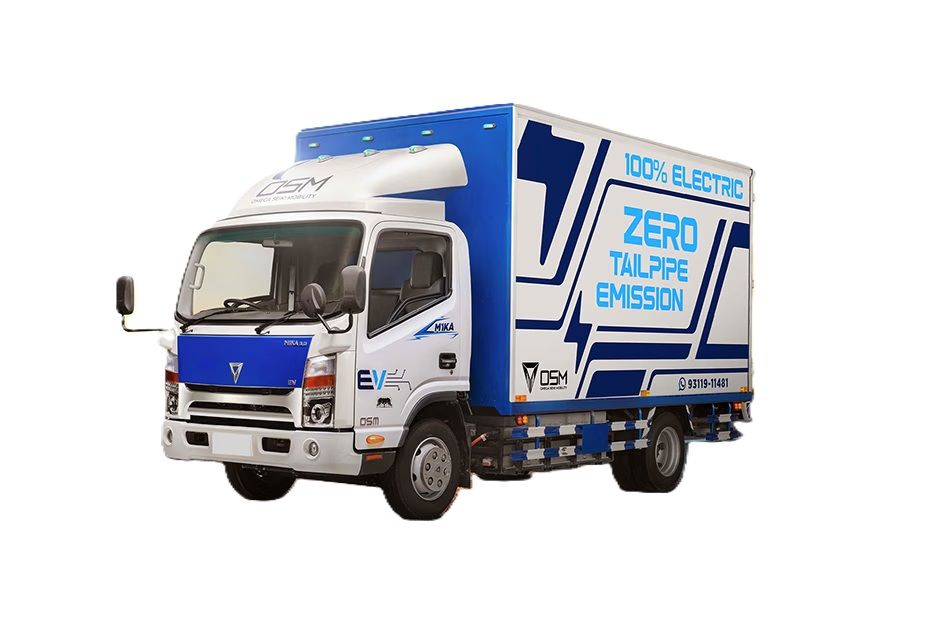
OSM M1KA 3.0 Electric Truck Powerful Performance and Practical Cargo Capability
Omega Seiki Mobility OSM M1KA 3.0 is an electric light commercial vehicle designed to meet the growing demand for efficient and sustainable cargo transportation in India. With a powerful electric motor, substantial battery capacity and a practical loading configuration, the truck targets logistics companies, fleet operators and businesses seeking alternatives to conventional diesel-powered commercial vehicles.
The M1KA 3.0 combines strong performance with zero tailpipe emissions, making it suitable for businesses looking to modernise their transportation operations while managing day-to-day running expenses.
OSM M1KA 3.0 Price in India
The OSM M1KA 3.0 is listed at an indicative ex-showroom price of approximately Rs 17.35 lakh in India. The final on-road cost may vary depending on the city, registration charges, insurance, applicable incentives and selected equipment.
Potential buyers should contact an authorised OSM dealership to confirm the latest price, financing options and delivery availability. For commercial operators, calculating total ownership costs alongside the initial purchase price is important when evaluating an electric truck.
Powerful Electric Motor and Battery
One of the major highlights of the OSM M1KA 3.0 is its electric powertrain. The truck features a permanent magnet synchronous motor producing up to 130 kW of power and 415 Nm of torque.
This motor delivers immediate electric torque, helping the vehicle move cargo efficiently in demanding transportation conditions. The automatic transmission also simplifies operation by eliminating conventional manual gear changes.
The truck is equipped with a 96.77 kWh battery pack. According to published specifications, it offers a claimed driving range of approximately 180 kilometres on a full charge. Actual range can vary depending on payload, traffic, road conditions, driving habits and weather.
Charging and Operating Efficiency
Charging convenience is an important consideration for commercial electric vehicles. The M1KA 3.0 has a published AC charging time of approximately six to eight hours. DC fast charging can reportedly take around two hours, depending on the charger and charging conditions.
Businesses can potentially reduce operating expenses by charging the vehicle at their own facilities, particularly when vehicles follow predictable delivery schedules. However, savings depend on electricity tariffs, charger installation, maintenance, financing and the distance travelled daily.
Impressive Loading Capacity
The OSM M1KA 3.0 is designed for substantial cargo requirements. Published specifications list a gross vehicle weight of 5,500 kg and a payload capacity of up to 4,000 kg, depending on the configuration and applicable vehicle documentation.
Its cargo-carrying capability makes it suitable for transporting packaged goods, industrial supplies, construction materials and other commercial consignments. The truck is offered with a chassis-and-cabin arrangement, allowing businesses to consider suitable cargo body configurations.
The reported maximum speed is approximately 90 km/h, while its gradeability is listed at 30 per cent. These figures indicate its intended versatility for commercial operations, although real-world performance depends on operating conditions.
Practical Cabin and Driver Features
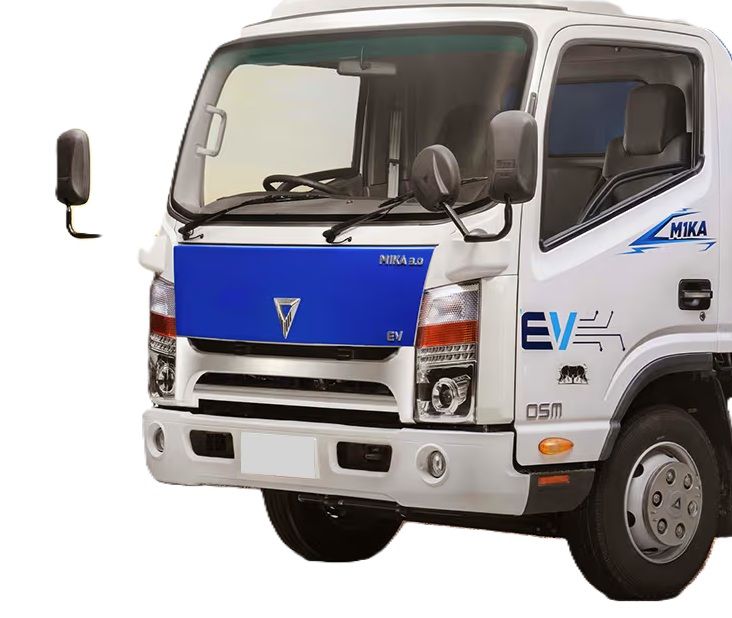
The M1KA 3.0 features a functional cabin intended to support drivers during daily transportation duties. Published equipment includes multifunction steering, an adjustable driver seat, a driver information display, seat belts and an eight-inch touchscreen.
Its practical cabin design focuses on everyday usability rather than unnecessary luxury. Suspension components are designed to support the vehicle during loaded operations, while the overall layout prioritises commercial functionality.
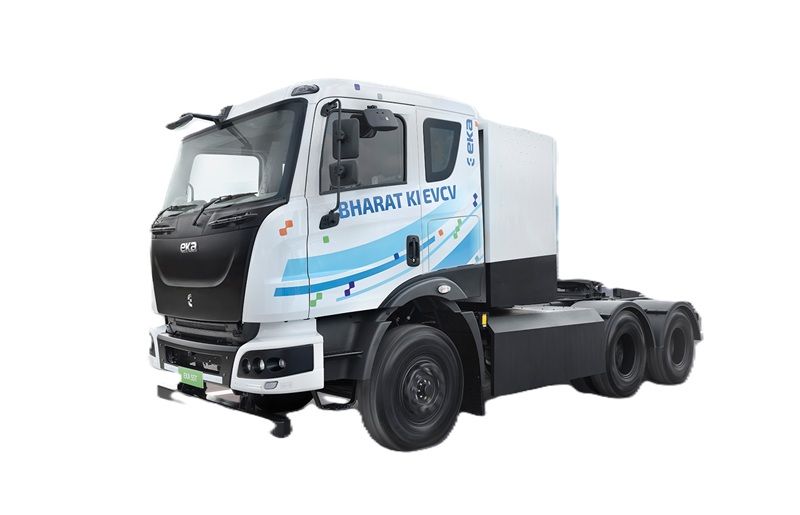
See Also This: EKA 55T Electric Truck Price And Range
Benefits for Modern Logistics
Electric trucks are gaining attention as businesses look for ways to improve energy efficiency and reduce local emissions. The OSM M1KA 3.0 could be particularly useful for regional distribution, organised delivery routes and operations where charging facilities are accessible.
Its suitability for a specific business will depend on daily kilometres, payload requirements, charging downtime and the availability of service support.
Conclusion
The OSM M1KA 3.0 presents a practical electric cargo solution for India's evolving commercial vehicle industry. With a 96.77 kWh battery, 130 kW motor, claimed 180 km range and substantial payload capability, it offers businesses an alternative to traditional diesel trucks.
For fleet operators evaluating electric mobility, the M1KA 3.0 deserves consideration where its range, charging requirements and operating economics match their transportation needs.